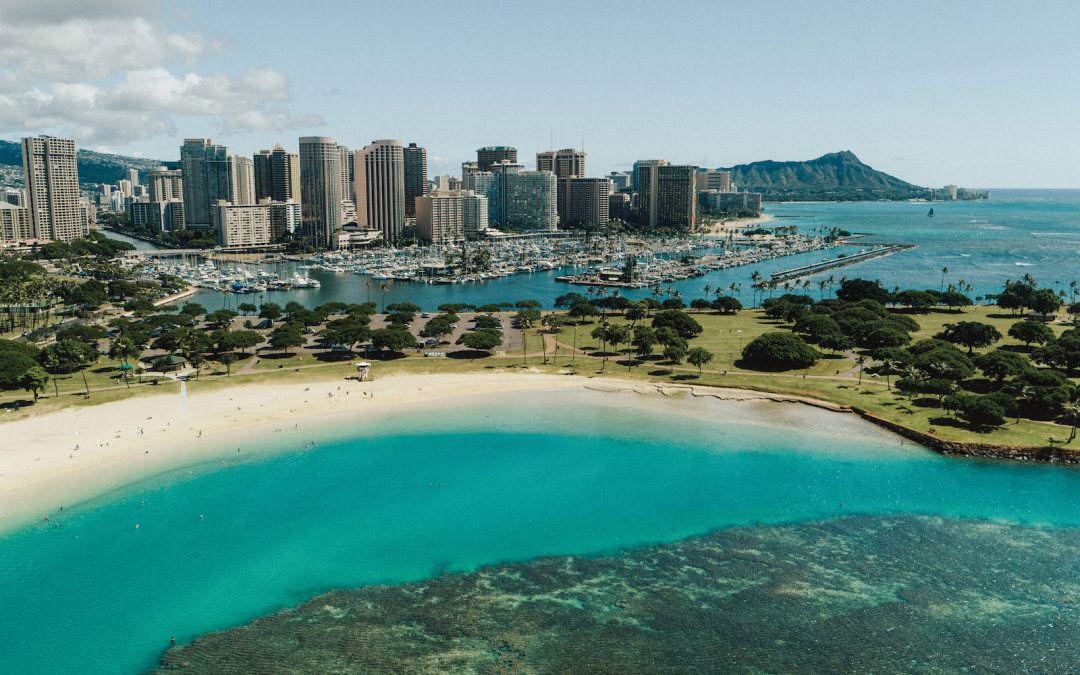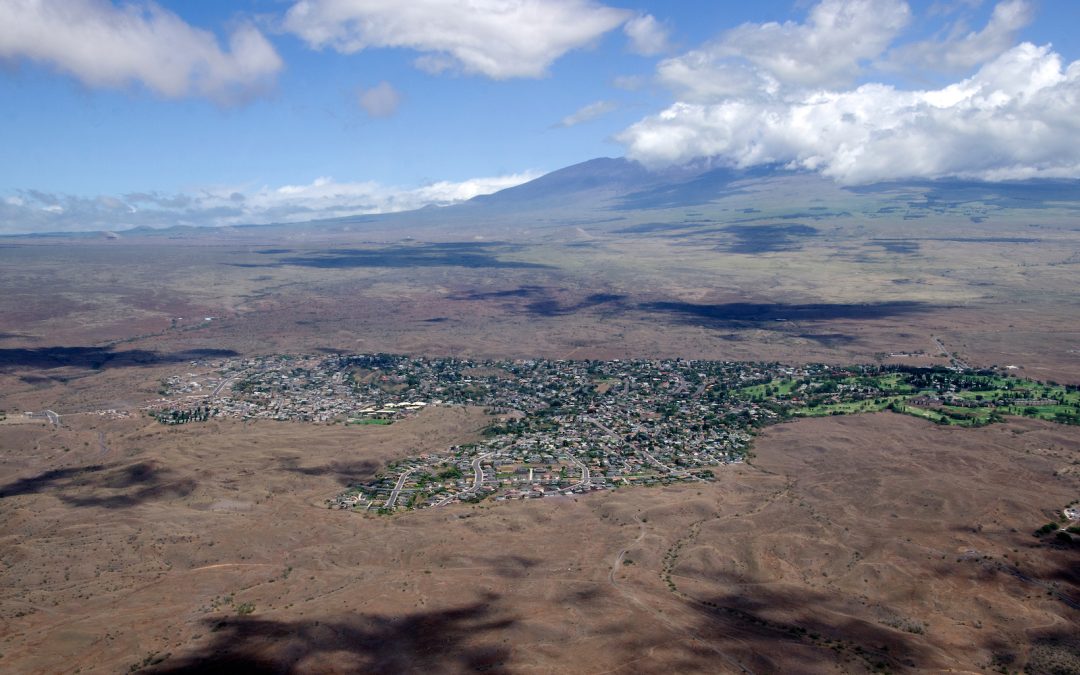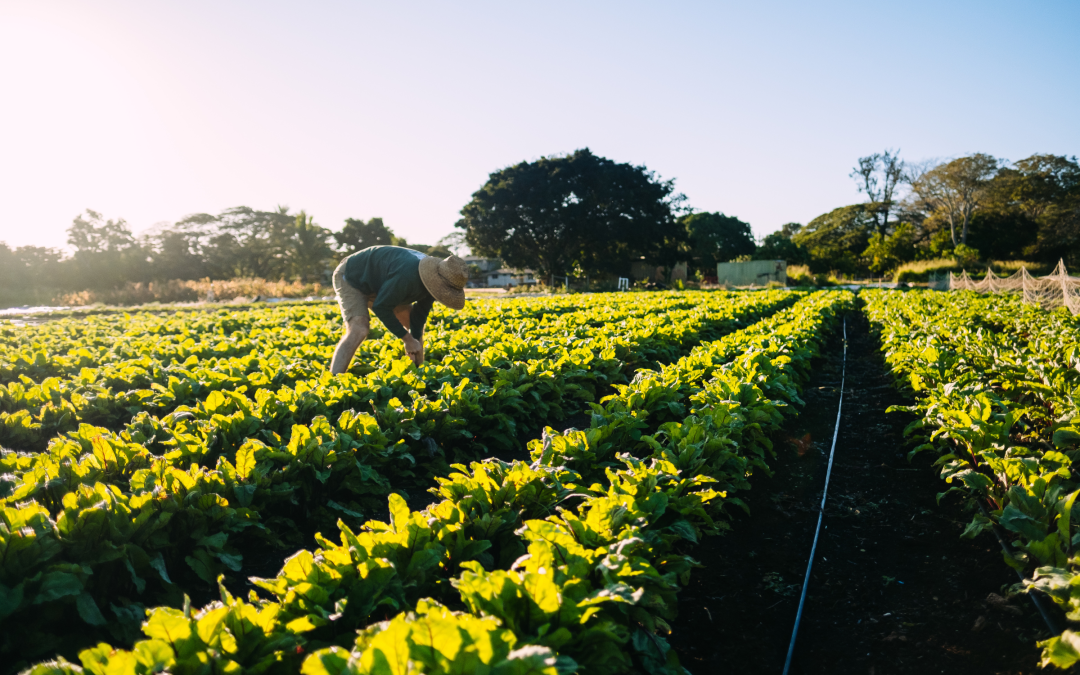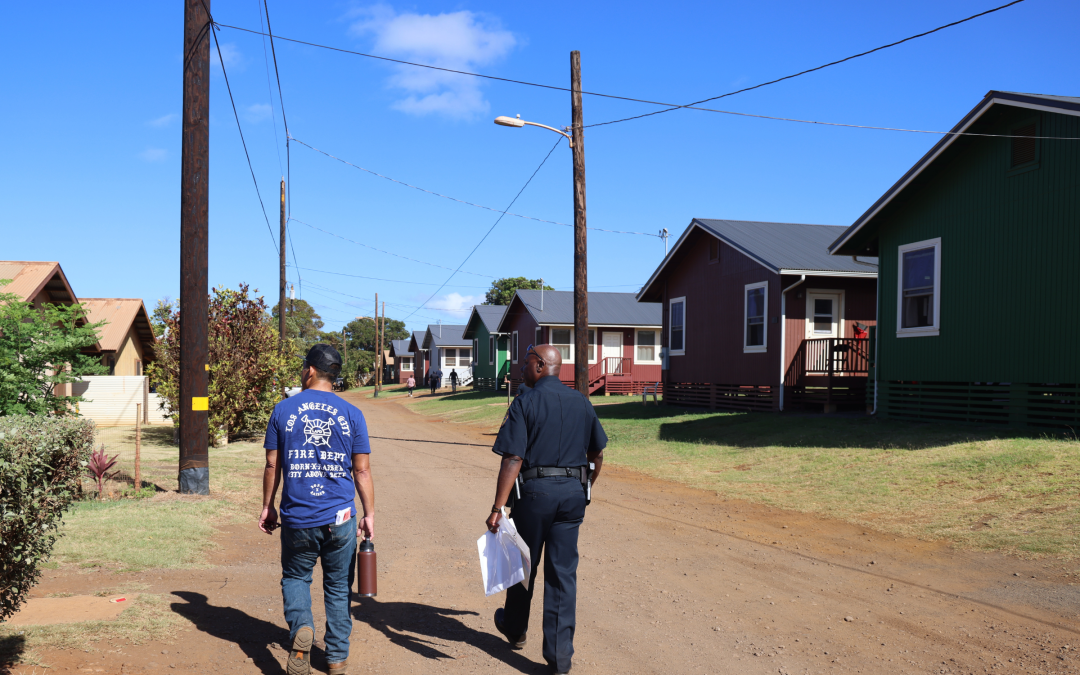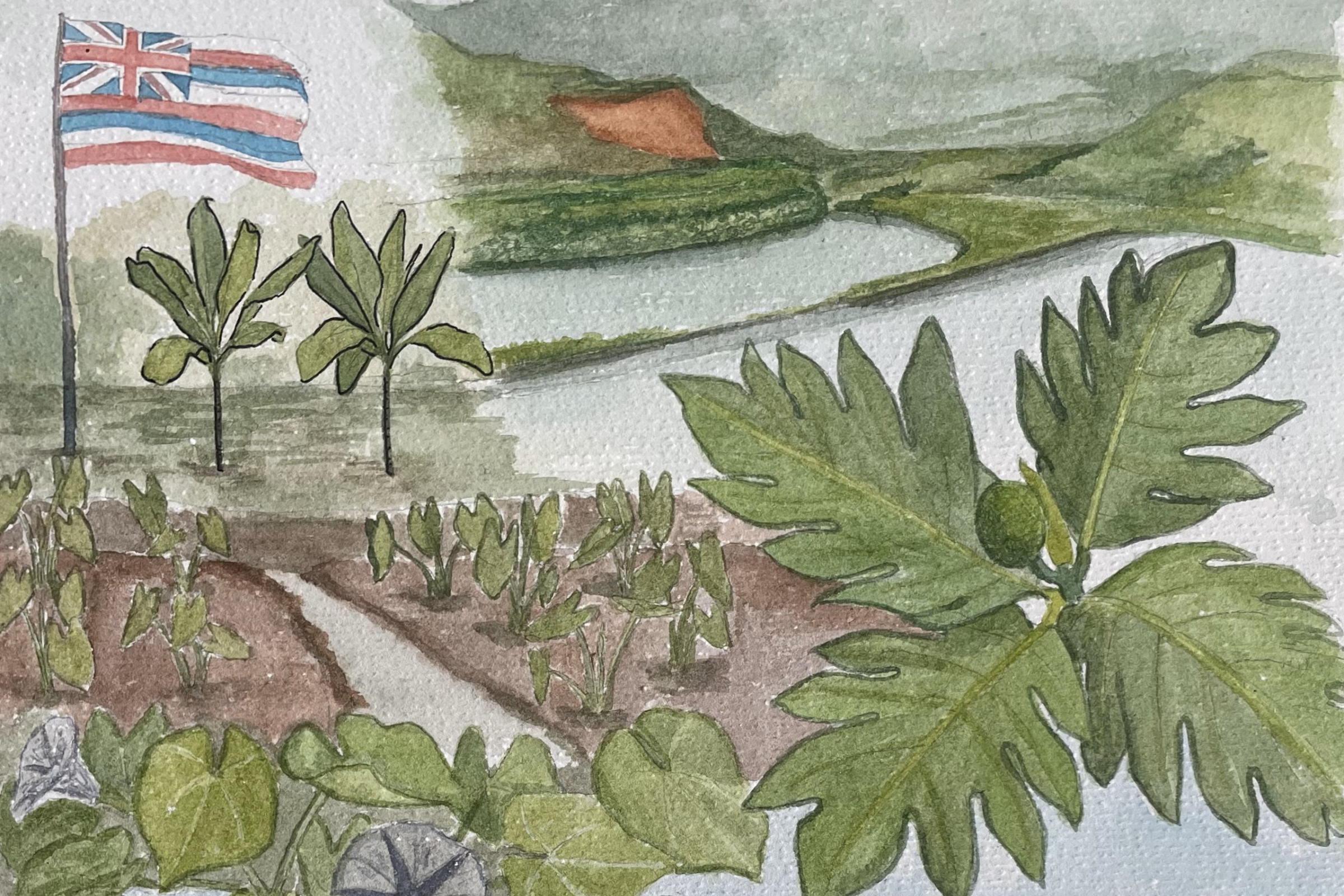
Overstory seeks to explore the depth and richness of the Islands’ environment. We want to know how communities are mitigating climate change and biodiversity loss, perpetuating traditional Hawaiian stewardship practices, and increasing local food production and access.
After all, Hawai‘i’s natural environment is unlike any other: We’re the only place on Earth that has 10 of the world’s 14 climate zones, and traditional Hawaiian stewardship practices like ahupua‘a conservation systems and loko i‘a fishponds are models for sustaining people and habitats.
Local initiatives can yield plentiful insights in creating more sustainable, restorative and equitable communities. Sharing these types of stories is always important, but it’s especially crucial to highlight them now as the federal government’s orders reduce funding for climate, environmental and food production efforts and leave communities more vulnerable to wildfires.
We don’t want to be something in the future that doesn’t have a base in who we were in the past. The past plays an important role in what’s going to be our future.
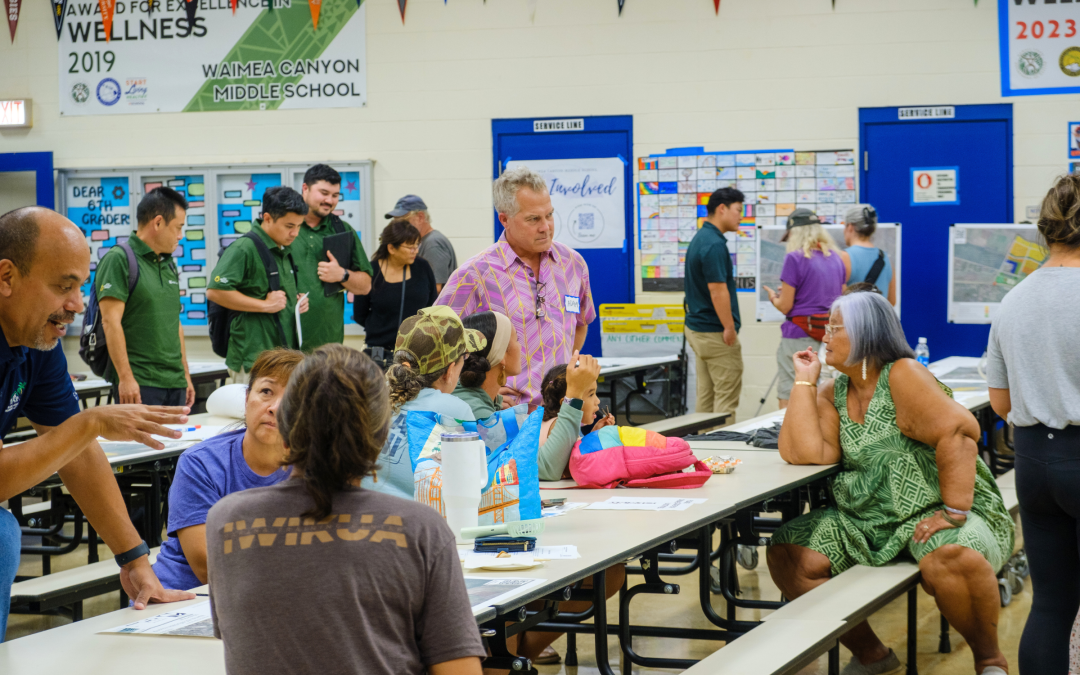
We engaged approximately 200 community members statewide during a multi-month listening project to help us shape our environment, housing and health coverage. We heard from farmers, community organizers, teachers, high school and college students, business owners, government officials, retirees and more.
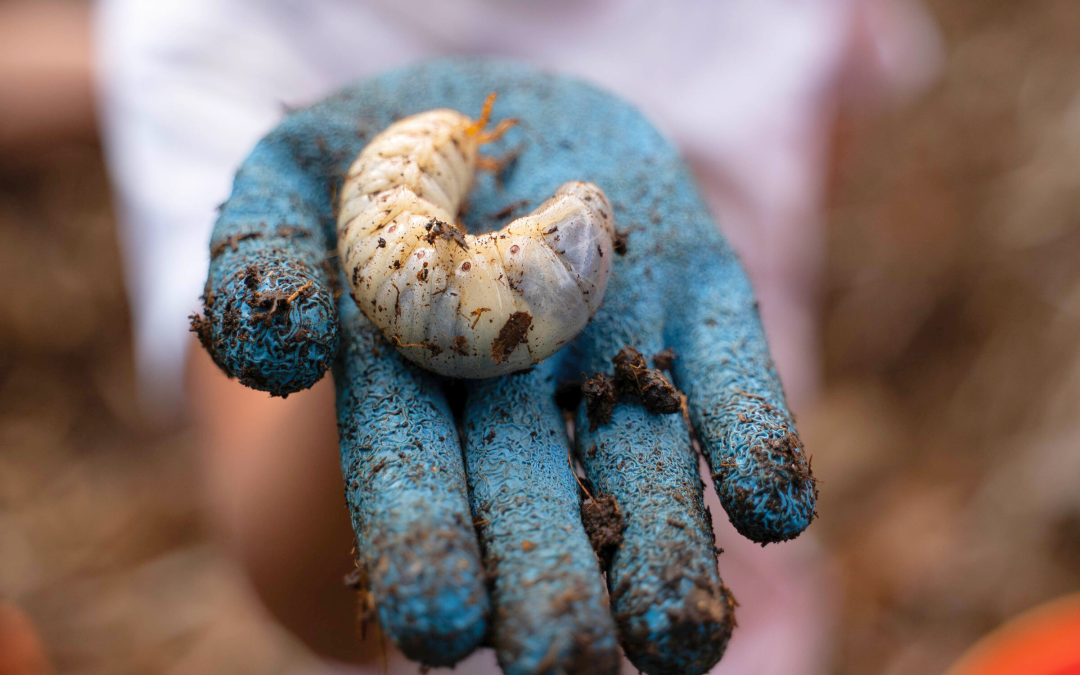
We learned about efforts to preserve cultural sites and maintain fire breaks on Kaua‘i, participate in community harvest days and clean up bike paths on O‘ahu, protect and restore natural and cultural resources on Moloka‘i, restore watersheds on Maui, and raise awareness about rapid ‘ōhi‘a death on Hawai‘i Island. Many of these initiatives perpetuate traditional Hawaiian values and knowledge, and we want to help highlight their stories, connect the dots between similar efforts across communities, and look at the ways they’re accomplishing systemic change in how we interact with and care for our natural resources.
We also heard comments and questions about local agriculture. What will it take for Hawai‘i to fulfill its goal of doubling local food production by 2030, while also making sure prices are affordable? How can we better support our farmers and encourage the next generation to help feed our communities? Most of Hawai‘i’s nearly 6,600 farms are less than 10 acres in size, and the average age of a Hawai‘i farmer is 60.7 years, according to the U.S. Department of Agriculture’s latest agricultural census. Farmers we spoke with described challenges finding long-term leases and housing that they could afford.
If we look at food as a commodity, if we look at real estate as a commodity, if we look at the land as a commodity, we’re using the wrong value system. Money cannot be displacing people. Money cannot be dictating who gets to eat and who doesn’t.
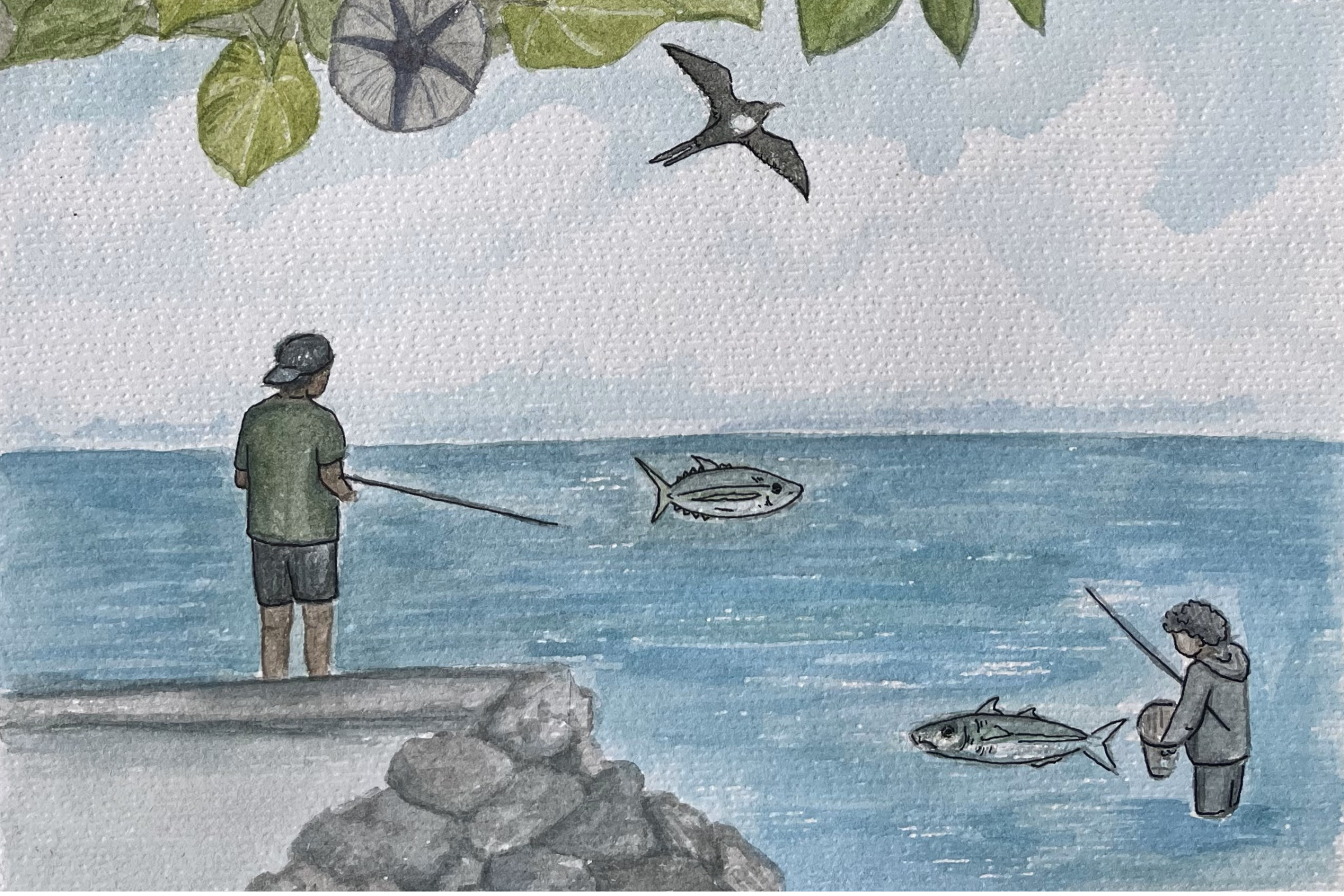
Kaua‘i is home to the state’s first Community-Based Subsistence Fishing Area, which acknowledges traditional fishing practices of the island’s Hā‘ena community. | Pineki Lindsey, Overstory
Increasing local food production also helps create community resiliency, which is becoming increasingly important as climate change leads to more frequent hurricanes, wildfires, rising temperatures and other natural disasters.
Disaster preparation, response and resiliency came up numerous times in our community conversations. Many residents expressed a desire to know more about the lessons learned from past disasters, how communities are building resiliency ahead of disasters, what resources are available, and how the broader public can help impacted individuals.
Knowing that disaster resiliency might be a popular topic, we also asked community members how journalists can better cover disasters and interact with impacted individuals.
Several residents impacted by the August 2023 Maui fires recommended we let impacted individuals come to us when they’re ready to share their stories, rather than us approaching them first, and encourage those individuals to guide our conversations with them. We also heard suggestions to make sure that journalists are asking for continual consent to make sure that impacted individuals are comfortable with journalists publishing what they shared and to respect when someone says they don’t want to talk about a particular topic.
I don’t think people are thinking about the aftermath of having to watch yourself on the news that way. … Maybe you weren’t comfortable, maybe you needed time to process things. Like, we can’t put a timeline on that.
We will always ask for permission to include people’s voices and perspectives in our stories and do our best to be respectful, compassionate and minimize harm—both in our interactions with fellow community members and in how we write. We have a guide on what interviewees can expect when they talk with us, and we adhere to the Dart Center for Journalism & Trauma’s trauma-informed practices.
We continue to reflect on what was shared with us and how our environment coverage can best serve you. We welcome your ideas and feedback. What would you like to see more of in our reporting? What questions do you have about climate change, Hawai‘i’s food systems or other aspects of our environment? Feel free to email me at noelle@overstoryhawaii.org.
Funder disclosure:
This community listening project was supported by The Listening Post Collective.
A note on why we aren’t using community members’ names: We normally grant anonymity for specific circumstances (you can read our policy here), but we made an exception for this community listening project. Our focus was on building relationships and getting to know people and communities, rather than reporting. We’ll be aggregating the information we collected and sharing back key themes.